[fusion_builder_container type=”flex” hundred_percent=”no” equal_height_columns=”no” menu_anchor=”” hide_on_mobile=”small-visibility,medium-visibility,large-visibility” class=”” id=”” background_color=”” background_image=”” background_position=”center center” background_repeat=”no-repeat” fade=”no” background_parallax=”none” parallax_speed=”0.3″ video_mp4=”” video_webm=”” video_ogv=”” video_url=”” video_aspect_ratio=”16:9″ video_loop=”yes” video_mute=”yes” overlay_color=”” video_preview_image=”” border_color=”” border_style=”solid” padding_top=”” padding_bottom=”” padding_left=”” padding_right=””][fusion_builder_row][fusion_builder_column type=”1_1″ layout=”1_1″ background_position=”left top” background_color=”” border_color=”” border_style=”solid” border_position=”all” spacing=”yes” background_image=”” background_repeat=”no-repeat” padding_top=”” padding_right=”” padding_bottom=”” padding_left=”” margin_top=”0px” margin_bottom=”0px” class=”” id=”” animation_type=”” animation_speed=”0.3″ animation_direction=”left” hide_on_mobile=”small-visibility,medium-visibility,large-visibility” center_content=”no” last=”true” min_height=”” hover_type=”none” link=”” border_sizes_top=”” border_sizes_bottom=”” border_sizes_left=”” border_sizes_right=”” first=”true”][fusion_text]In today’s digital world, websites have become more than just online addresses. They are canvases—living, breathing extensions of a brand’s personality, values, and vision. Much like modern art, web design now challenges conventions, breaks away from rigid structures, and thrives on creativity and experimentation. For businesses, especially startups and entrepreneurs targeting younger audiences, the fusion of modern art and web design is no longer a luxury—it is a necessity. The way a brand presents itself online is just as powerful as the brushstrokes of an artist shaping meaning on a canvas.
Modern art itself was born from rebellion—an act of defying classical norms and embracing boldness, abstraction, and innovation. Similarly, modern web design breaks away from static, templated approaches and instead focuses on experiences, emotions, and unique storytelling. Entrepreneurs who embrace this ideology can create digital platforms that resonate deeply with their target audience, making their brand not only functional but unforgettable. This is where companies like Emm Kay Customs step in, offering designs that merge creativity with functionality, art with technology, and aesthetics with business results.
Modern Art as Inspiration for Web Design
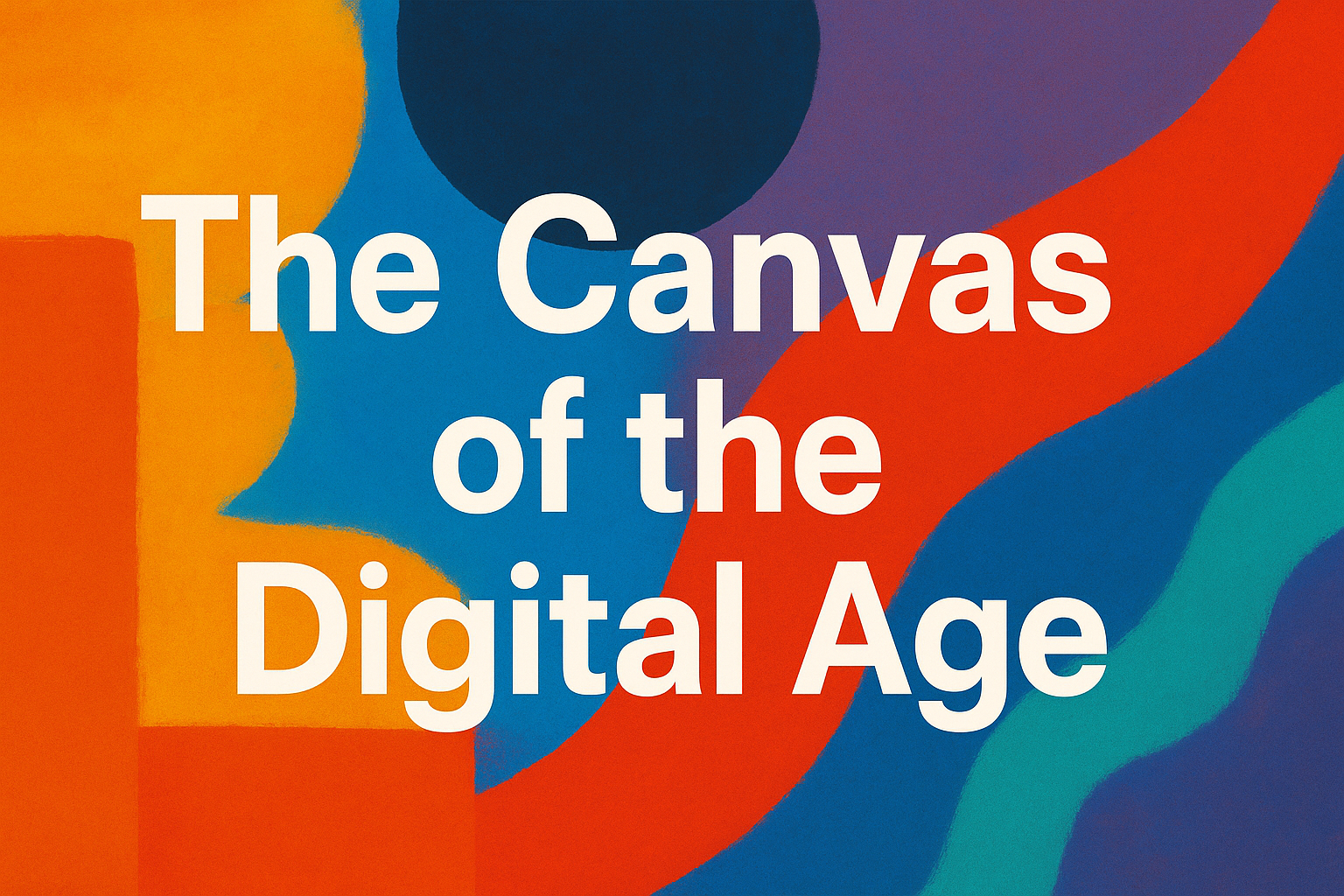
Modern art has always pushed boundaries. From the abstract works of Picasso to the immersive installations of Yayoi Kusama, the central theme has been freedom of expression. When translated into web design, this spirit emerges in elements like fluid layouts, unconventional typography, asymmetrical grids, bold color palettes, and interactive storytelling.
The youth of today—entrepreneurs, creators, and digital natives—respond to authenticity and innovation. They don’t want another generic website that feels like a mass-produced brochure. They want immersive spaces that reflect personality, energy, and movement, much like walking through a contemporary art gallery. Modern websites echo this by blending visuals with interactivity: a user scrolling through a page becomes part of a narrative, just like a visitor engaging with an installation in a museum.
Businesses that adopt these art-driven designs stand out instantly. A modern website becomes more than a platform—it transforms into a brand statement, signaling that the business is not only current but future-ready.
The Emotional Power of Design
One of the most overlooked aspects of web design is emotion. Modern art never shied away from evoking feelings—it shocked, inspired, and challenged viewers. The same applies to web design. Youth-driven businesses today understand that consumers don’t just buy products or services; they connect with emotions.
A carefully designed website can inspire trust, excitement, or curiosity. For example, bold color contrasts can create energy, while minimalist black-and-white palettes can suggest sophistication. Abstract shapes or fluid animations can build intrigue, while oversized typography can speak with confidence.
When entrepreneurs align their websites with modern art-inspired elements, they are not just presenting information—they are curating an emotional journey. This emotional resonance is what makes visitors stay longer, engage more, and ultimately convert into loyal customers.
Why Youth and Entrepreneurs Need Modern Design
Young entrepreneurs often represent innovation, ambition, and fresh thinking. Yet, many of them struggle with branding and presentation because they rely on outdated templates that fail to communicate their uniqueness. For them, a website is often the first impression, and in the age of social media and instant attention spans, that impression must be striking and memorable.
Modern web design acts as a bridge between their ideas and their audience. Just as modern art speaks to new generations in a language of boldness and creativity, modern websites allow startups to position themselves as forward-thinking. Entrepreneurs who adopt art-driven design principles stand out in crowded industries where competition is fierce.
Moreover, younger consumers naturally resonate with websites that feel artistic, authentic, and visually stimulating. They want experiences that reflect the fast-moving, highly creative culture they live in. For this reason, integrating modern art into web design is not only about aesthetics—it’s about relevance.
From Gallery Walls to Digital Screens
The parallels between a modern art gallery and a modern website are striking. A gallery curates artworks to create an immersive experience, guiding visitors through emotions, textures, and meanings. Similarly, a website is a curated digital journey, where design elements guide users from discovery to decision.
Imagine a gallery with blank walls, poor lighting, and no sense of flow—it would fail to capture attention. The same is true of a poorly designed website. On the other hand, a website that uses dynamic visuals, interactive layers, and meaningful storytelling becomes a gallery in its own right. Visitors are no longer just browsing—they are engaging, experiencing, and connecting.
This is the philosophy Emm Kay Customs brings to businesses: creating websites that act as modern digital galleries where every element—color, typography, image, and motion—is part of a larger artistic narrative.
Minimalism and Boldness: The Dual Faces of Modern Web Art
Modern art has two distinct faces: the bold, extravagant, attention-grabbing works, and the quiet, minimalist masterpieces. Both of these play a role in web design.
- Minimalism in Web Design: Inspired by movements like Bauhaus, minimalism in design strips away the unnecessary and focuses on clarity. Clean layouts, white spaces, and subtle typography can give a brand a modern, professional appeal. For entrepreneurs looking to communicate efficiency and transparency, minimalism is powerful.
- Bold, Expressive Web Design: On the other hand, bold colors, oversized visuals, and experimental grids capture energy and creativity. For youth-driven brands—like fashion startups, creative agencies, or tech innovators—this approach resonates with audiences who value originality and vibrancy.
Entrepreneurs must decide which “face” of modern art aligns with their identity. At times, the best approach is a hybrid, blending clean professionalism with striking highlights that command attention.
Function Meets Expression
Critics of art-inspired web design often raise a valid concern: does focusing on design sacrifice usability? The truth is, modern design thrives on balance. Just as an artist ensures their creation has form as well as meaning, a well-designed website balances aesthetics with performance.
Interactive animations must load quickly. Bold visuals must adapt to mobile devices. Typography must be creative but readable. At Emm Kay Customs, design is never just about beauty; it’s about creating harmony between expression and usability. For businesses, this means websites that not only look exceptional but also function seamlessly—ensuring that creativity never comes at the cost of customer experience.
The Entrepreneur’s Digital Canvas
For entrepreneurs and youth-led startups, the website is the ultimate canvas. It’s where ideas meet execution, where vision meets presentation. A strong digital presence can determine whether an idea flourishes or fades. In this sense, modern web design, shaped by the philosophies of modern art, is the brushstroke that defines the future of a business.
Those who embrace it position themselves as innovators, risk-takers, and leaders in their industries. They attract audiences who value originality and vision. And most importantly, they create brands that leave a lasting impression in the digital age.
At Emm Kay Customs, we believe every business deserves a website that feels like a masterpiece—crafted with intention, guided by creativity, and designed for success. Just as art has the power to move people, so does design. And in today’s competitive world, it is that power that separates businesses that thrive from those that merely survive.
Final Thoughts
Modern art and web design share a common DNA: freedom, creativity, and impact. For entrepreneurs and young businesses, adopting this approach is not only about standing out—it’s about creating experiences that resonate, connect, and inspire. In a world where digital presence defines credibility, a website inspired by modern art is more than a platform—it is a declaration of identity.
The youth are the driving force of innovation, and their businesses deserve digital canvases that reflect that energy. With the right design, every website can become a masterpiece, every brand can tell its story with authenticity, and every entrepreneur can step into the future with confidence.
At Emm Kay Customs, we see websites not as code and graphics but as works of art—crafted to reflect your vision, your journey, and your impact. Because in the digital age, art doesn’t just hang on walls—it lives on screens, shaping the way the world sees you.[/fusion_text][/fusion_builder_column][/fusion_builder_row][/fusion_builder_container]